


Genocídio do Yanomami
Genocídio do Yanomami — Claudia Andujar
Couldn't load pickup availability
- Ships from Germany
- Careful packaging
- 30-day returns
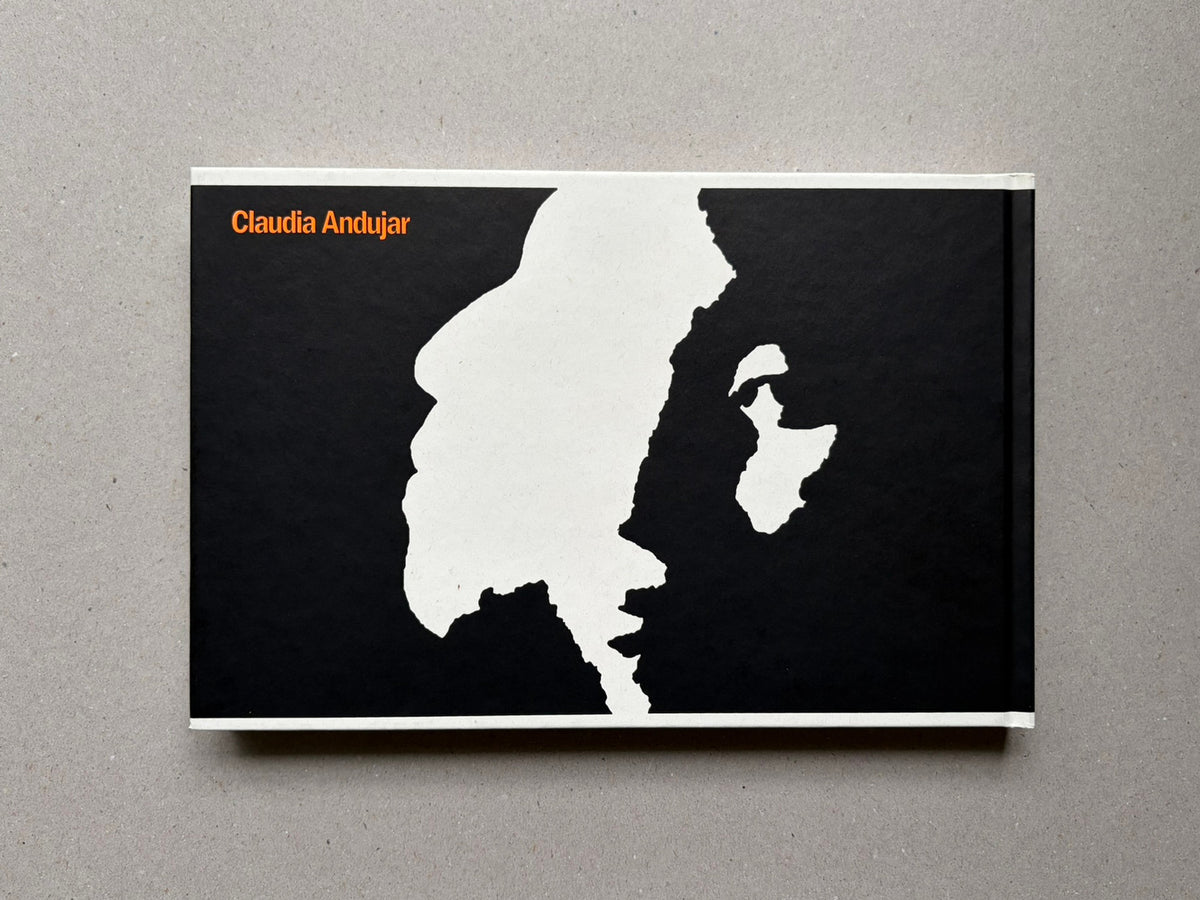
Genocídio do Yanomami brings together previously unpublished photographs by Claudia Andujar made between 1971 and 1989 among the Indigenous Yanomami people of Venezuela and northern Brazil. First presented as an installation at MASP in 1989, the images employ experimental techniques — high contrast, distortion, cropping — to render shamanic culture and document a people under threat. Published by Void in an edition of 750 copies. Hardcover with French folds, 176 pages, 27.3 × 18 cm. ISBN 978-618-5479-47-3.
- Format: Hardcover with French folds
- Pages: 176
- Size: 27.3 × 18 cm
- Publisher: Void, 2026
- Language: Portuguese / English
- Edition: First edition, 750 copies
Genocídio do Yanomami — Claudia Andujar, published by Void
Genocídio do Yanomami (Yanomami Genocide) brings together previously unpublished photographs made between 1971 and 1989 by Claudia Andujar. The images document the Indigenous Yanomami people, who inhabit the remote forests of the Orinoco River basin in southern Venezuela and the northernmost reaches of the Amazon River basin in northern Brazil. The book was developed in close collaboration with Andujar's gallery, Galeria Vermelho, in São Paulo.
Andujar's work under the title Yanomami Genocide: Death of Brazil was first presented in April 1989 at the São Paulo Museum of Art (MASP) as an installation with colour slides projected onto plastic screens and mirrors. Originally black and white, the images were re-illuminated by the artist, a process that reshaped their meaning and instilled urgency in response to the violence then being inflicted on the Yanomami by illegal gold miners. For this publication, Andujar has again recontextualised the photographs, directing them toward a contemporary audience at a moment when the Yanomami remain in peril.
The photographs show both the Yanomami and the landscape they inhabit. They were produced using a range of experimental techniques intended to give visual form to shamanic culture: high contrast, dramatic light and shadow, distortion, cropping, and a persistent sense of movement and the otherworldly. Images of people concentrate on fragments of bodies or close-cropped portraits, registering intimacy and psychological weight without resolution.
Alongside her artistic practice, Andujar co-founded in 1978 the Pro-Yanomami Commission (CCPY), which denounced the destruction caused by illegal miners, supported health programmes, and campaigned for the formal demarcation of Yanomami land. Working closely with leaders including Davi Kopenawa, this effort resulted, after fourteen years, in the official recognition of the Yanomami Indigenous Territory in 1992. The territory was formally established by the Brazilian government in 1993.
"Claudia came to Brazil and the Yanomami lands, thinking about her project. Though not Yanomami, she is a true friend. She took photographs of childbirth, of women, of children. I did not know how to fight against politicians and non-indigenous people, but she gave me the tools to defend our people, land, language, customs, festivals, dances, chants and shamanism. It is important to me and to you to see the work she did and respect the Yanomami people of Brazil who have lived in this land for many years."
— Davi Kopenawa, Shaman and Yanomami leader
From Andujar's 2021 exhibition at the Barbican, London
Claudia Andujar was born in Neuchâtel, Switzerland, in 1931. She immigrated to the United States in 1944 following the persecution of Jews during World War II, studied painting in New York, and worked as an interpreter at the United Nations. In 1955 she moved to São Paulo and began her career as a photographer. In 1971 she received a grant from the Guggenheim Foundation to research the Yanomami people of the Brazilian Amazon. Her work has been shown at the 60th International Art Exhibition, La Biennale di Venezia, and held in the collections of MoMA, Tate Modern, Centre Georges Pompidou, Maison Européenne de la Photographie, MACBA, Fondation Cartier pour l'Art Contemporain, and Inhotim Institute, where she has maintained a permanent gallery since 2015.
Available in our Photobooks collection. Hardcover with French folds, 176 pages, 27.3 × 18 cm. Edition of 750 copies. ISBN 978-618-5479-47-3.
Year: 2026
Format: Hardcover with French folds
Pages: 176
Dimensions: 27.3 × 18 cm
Weight: 1.0 kg
Language: Portuguese / English
ISBN: 978-618-5479-47-3
Edition: First edition, 750 copies
Publisher / Manufacturer:
Void
Country of origin:
Greece
Website:
https://void.photo/
Email:
talkto@void.photo
Address:
Void
Zaimi 31–33
106 82 Athens
Greece
We reply by email. Please include what you need (shipping, condition, edition, etc.)
Share


Legal guarantee

Buyer feedback
No reviews yet. Be the first to review this product.